Corn Futures (ZC): Contract Specs and How to Trade It
| Corn futures — contract specs | |
|---|---|
| Symbol | ZC |
| Product | Corn |
| Exchange | CBOT (CME) |
| Contract size | 5,000 bushels |
| Minimum tick | 1/4 cent per bushel |
| Tick value | $12.50 per tick |
| Trading hours | Nearly 24 hours, Sun 6pm – Fri 5pm ET (daily 5–6pm ET break) |
| Contract months | Mar, May, Jul, Sep, Dec |
Corn futures at a glance
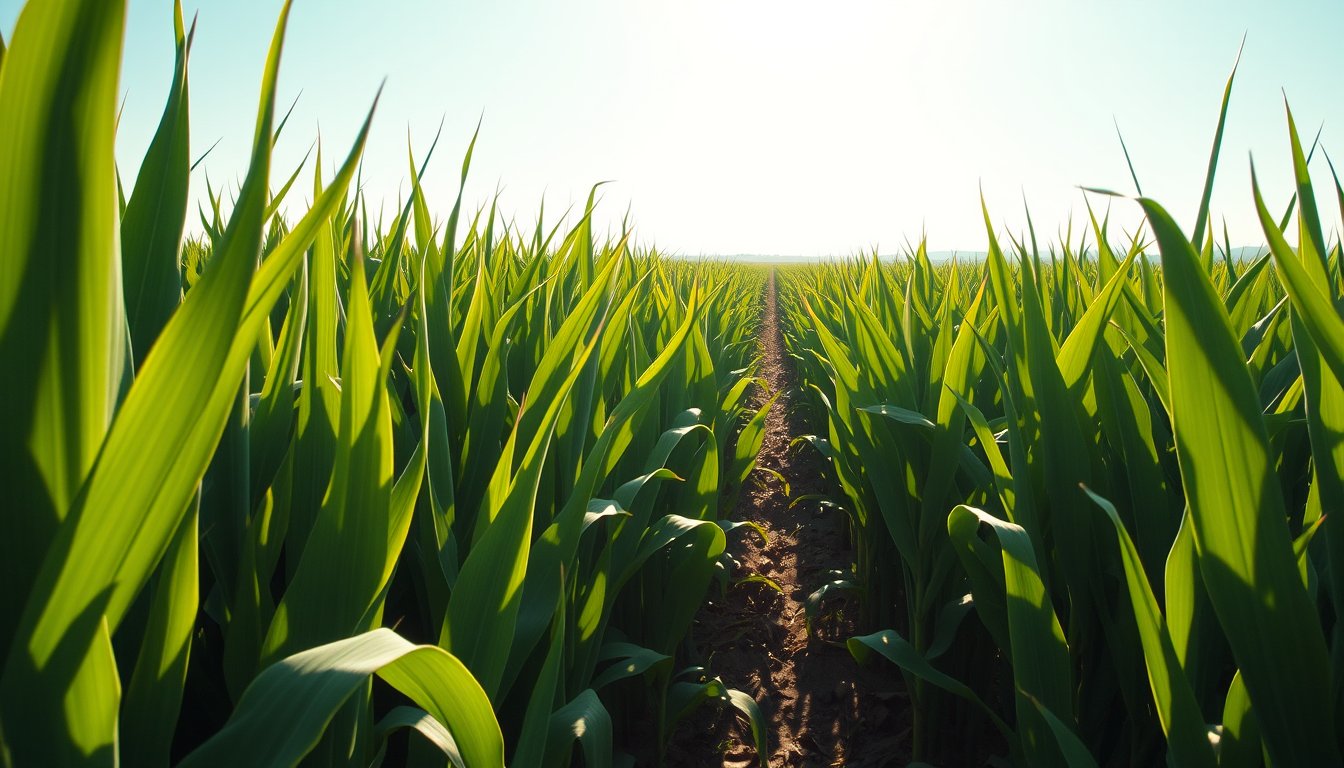
Corn futures, trading under the ticker symbol ZC on the Chicago Board of Trade, represent a standardized agreement to buy or sell five thousand bushels of corn at a set price on a future date. This contract tracks the price of one of the most widely planted and heavily subsidized crops in the United States, with global benchmarks set right here in Chicago. The market suits anyone from a farmer locking in harvest prices to a speculative trader looking for volatility driven by weather and government reports.
The biggest price swings in corn futures often arrive with the monthly World Agricultural Supply and Demand Estimates report from the USDA, which adjusts supply and demand numbers for the entire season. Planting progress reports released each Monday afternoon during the spring can spark sharp moves, especially when actual acreage falls short of market expectations. Weather forecasts dominate from May through August, with heat waves or drought in the Midwest Corn Belt capable of shifting prices by several percent in a single session. Outside of the farm sector, corn prices respond to the price of crude oil because ethanol production consumes roughly forty percent of the U.S. crop, tying energy markets directly to grain demand. Export sales data, released every Thursday, shows how much foreign buyers are taking, and any surprise cancellation or large purchase can move the front-month contract. Currency movements also matter, as a weaker dollar makes U.S. corn cheaper for international buyers, while a stronger dollar tends to dampen demand.
Commercial hedgers dominate the corn futures market, with grain elevators, ethanol plants, livestock feeders, and farmers all using the contract to protect their physical business from adverse price moves. A farmer selling futures before harvest locks in a price for grain that is still growing, while a cattle feeder buys futures to secure feed costs for the coming months. Large commodity funds and institutional money managers trade corn as part of diversified portfolios, often using trend-following algorithms that pile into positions based on technical signals. Retail traders are drawn to corn because the contract has a relatively low margin requirement and offers intraday liquidity during U.S. trading hours, making it accessible for individual speculation. Each group brings different objectives to the same pit, creating a market where hedging pressure and speculative flows constantly collide.
A rules-based playbook works well in corn because the market has clear, predictable catalysts that create repeatable patterns. Around USDA report releases, a news straddle strategy can capture the sharp post-announcement spike, but only if your rules define the exact entry, stop, and profit target before the data hits the wire. During weather-driven runs, trend pullback setups let you enter on a dip against the prevailing direction, riding the momentum until your predefined exit criteria triggers. On active trading days, the opening-range breakout method works because corn often establishes a clear direction in the first thirty minutes of the session. A defined playbook with pre-set stops and targets beats reacting to the tape, because emotion and hesitation are the biggest enemies of consistent execution in this volatile grain market.
Trade ZC with a plan, not a guess
The deeper playbook covers full backtests, position-sizing rules and a trade journal template for every strategy. Funded-account programs let you trade someone else's capital once you pass the evaluation.
Get the deeper playbook (PDF) Compare funded programsPrograms to review: TopStep · Apex Trader Funding